Traditional Marketing vs Digital Marketing: How Marketing Has Changed in 2026
Meera opened her little home bakery with ten years of recipes and one big worry: how would anyone find her? Her story is fictional, but it mirrors what thousands of small business owners face every day. It is also the clearest way to understand traditional marketing vs digital marketing and how marketing has changed in 2026. Follow Meera, and by the end you will know which path fits your own business.
Chapter One: The Newspaper Ad
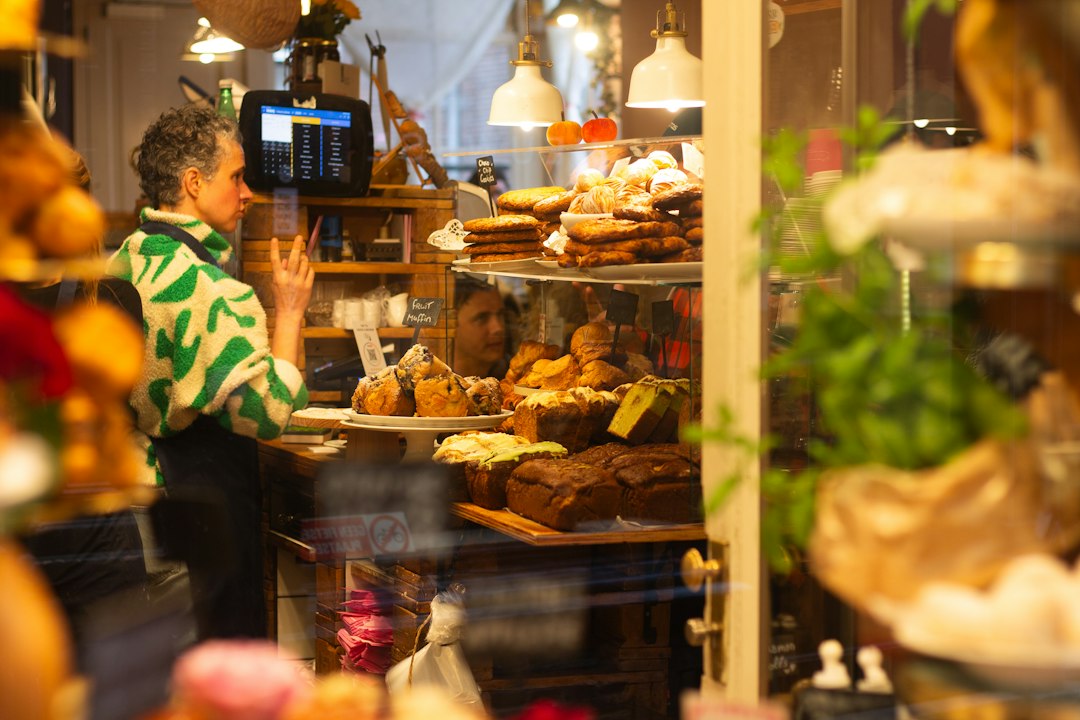
Meera did what her family always told her to do. She paid for a small newspaper ad, printed five hundred pamphlets, and hung a bright banner outside her shop. For two weeks she waited. A few neighbours stopped by, and one elderly customer even brought her pamphlet inside. But when the month ended, Meera could not answer a simple question: which of these things had actually brought her customers?
That is the heart of traditional marketing. Newspapers, pamphlets, radio, television, and billboards can build real local trust, and many people still enjoy a printed flyer. But they work like a loudspeaker. You speak to everyone, hope the right people are listening, and rarely know what worked.
Chapter Two: A Customer Who Found Someone Else
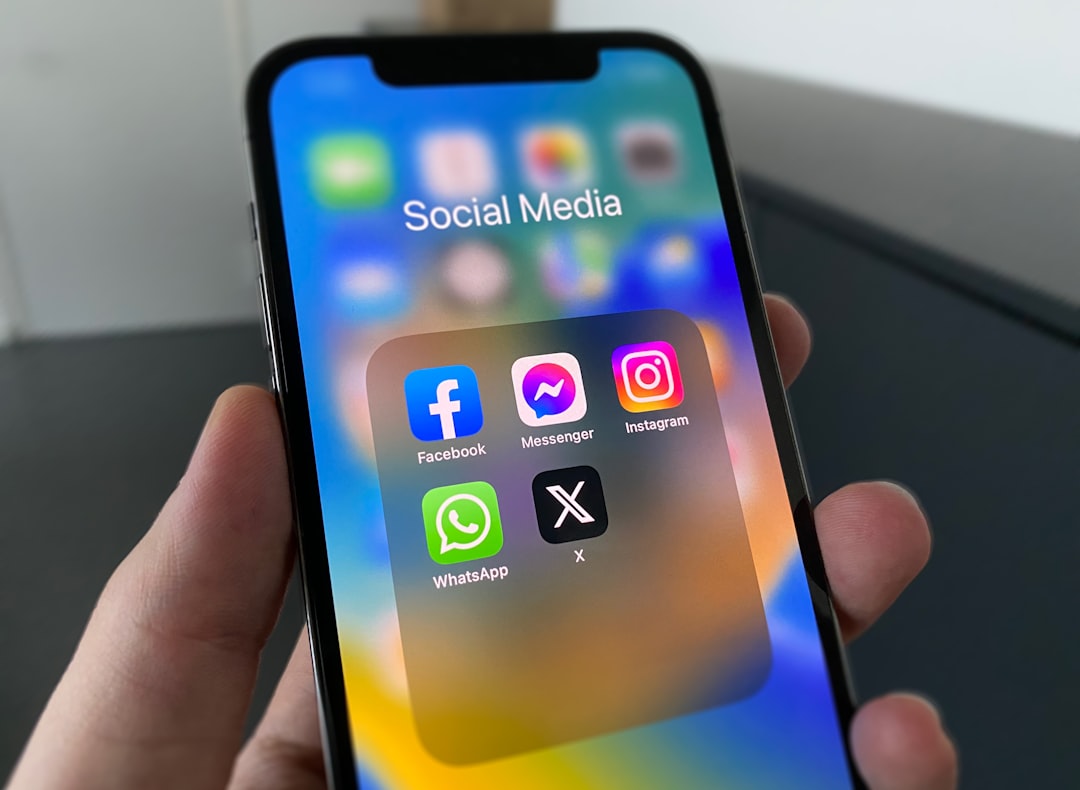
One afternoon a regular customer mentioned that she had almost ordered a birthday cake from another bakery. She had found it on her phone, looked at photos, read reviews, and sent a WhatsApp message in under five minutes. She had never needed a newspaper at all. Meera realized the real question was not which type of marketing was old or new. She needed to understand the difference.
That evening she read a simple digital marketing story that explained why being found online matters so much. It gave her the courage to try something new.
Traditional Marketing vs Digital Marketing: The Key Differences
Meera sat down with a notebook and listed how the two approaches compared. Here is what her list looked like.
| Factor | Traditional Marketing | Digital Marketing |
|---|---|---|
| Reach | Local or broad, limited by the medium | Local to global, on any device |
| Cost | Often high upfront costs | Flexible budgets, start small |
| Targeting | A whole city or readership | Precise by interest, behavior, and location |
| Measurement | Hard to track directly | Live data on clicks, leads, and sales |
| Engagement | Mostly a message sent in one direction | Conversations through comments and chats |
| Flexibility | Difficult to change once printed or aired | Edit, pause, or improve anytime |
Think you can tell them apart the way Meera did? Try sorting a few real examples.
Try it: Traditional or digital?
Drag each tactic into the right box. On a phone, tap a tactic, then tap a box.
Traditional Marketing
Digital Marketing
Chapter Three: Meera Goes Digital
Meera started small. She claimed her Google Business Profile, added photos of her cakes, and asked happy customers for reviews. She posted short videos of her decorating cakes on Instagram, set up a WhatsApp Business number for orders, and put a small daily budget into a local ad. Nothing fancy, only steady effort.
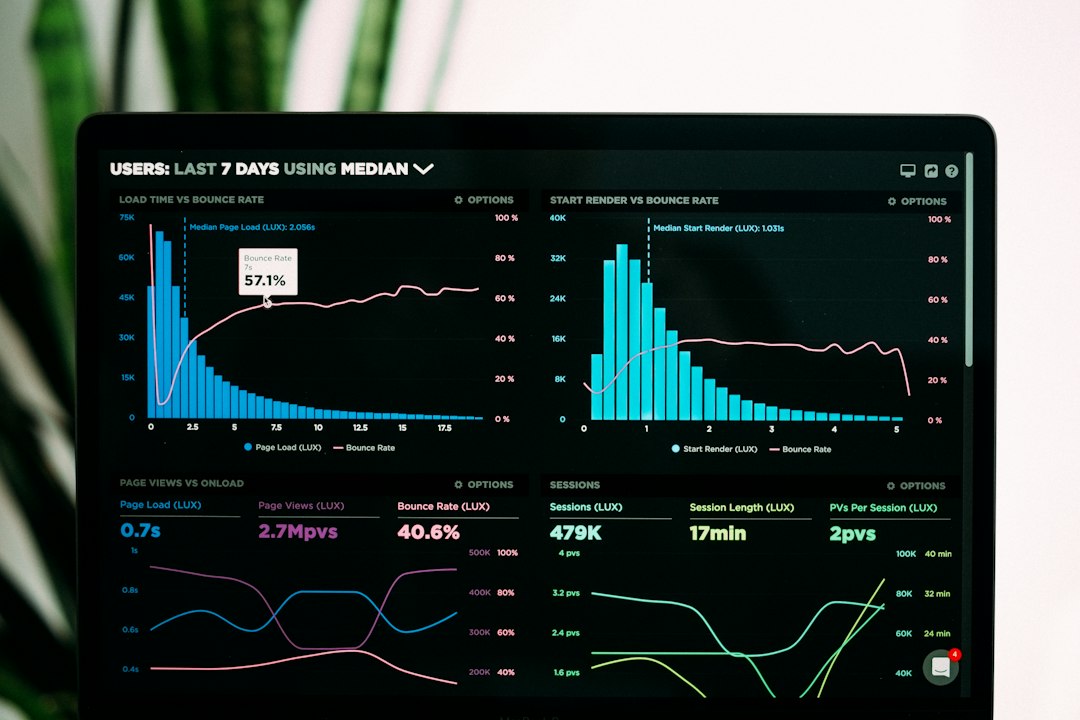
Within a few weeks, something changed. She could see how many people viewed her profile, tapped the call button, and asked for directions. Every message had a source. For the first time, Meera knew exactly what her marketing money was doing.
What Meera’s Numbers Looked Like
Here is a simple comparison from her first three months. These figures are made up for the story, but they show the kind of difference many small businesses notice.
| Measure | Newspaper and Pamphlets | Digital Campaigns |
|---|---|---|
| Monthly spend | ₹8,000 | ₹6,000 |
| Enquiries tracked | Hard to tell | 74 messages and calls |
| Orders traced to the source | About 5, but not certain | 31 confirmed |
| Cost per order | Unclear | About ₹190 |
Why Digital Marketing Is Better Than Traditional for Small Businesses
Meera’s experience points to why digital marketing is better than traditional for most small businesses starting out. The reasons are practical, not just fashionable.
- Better targeting: You can reach people by location, interest, and behavior instead of paying to reach everyone.
- Clear measurement: You can see which post, ad, or page produced each lead.
- Smaller budgets: You can begin with a modest amount and grow as results come in.
- Quick changes: A weak ad can be fixed in minutes instead of reprinted next month.
- Real conversations: Customers can comment, message, and review, which builds trust.
- Found at the right moment: You appear when someone is already searching for what you sell.
That does not make traditional marketing useless. It simply means that when budgets are tight and results matter, digital gives you more control and more information.
How Marketing Has Changed in 2026
Meera’s customers were changing too. Marketing in 2026 looks different from even a few years ago, and a few shifts stand out:
- AI assisted marketing: Tools now help with research, content drafts, ad testing, and reports, so small teams can move faster.
- New search habits: People find answers through AI summaries, videos, maps, and social platforms as well as traditional search results.
- Short videos: Quick, honest videos are one of the strongest ways to earn attention.
- Privacy and your own customer data: Stricter rules mean businesses rely more on email lists and consented customer information.
- Messaging as a sales channel: Customers expect fast replies on chat apps, not slow contact forms.
- Local discovery: Map listings and reviews often decide which nearby business gets the call.
Chapter Four: The Best of Both Worlds
Meera did not throw away her banner. She added a QR code that opened her WhatsApp catalogue. Her pamphlets now carried a special offer code. Her shop sign became a bridge to her online world. In every digital marketing traditional marketing comparison, the strongest results come from using each one for what it does best: offline builds familiarity, and online turns that familiarity into measurable orders.
| Stage | Traditional Move | Digital Move |
|---|---|---|
| Awareness | Shop banner and signage | Instagram videos and local ads |
| Interest | Pamphlet with a QR code | WhatsApp catalogue and website |
| Order | Customer walks in | Message, call, or online order |
| Loyalty | Handwritten thank you note | WhatsApp and email offers |
Choosing Your Own Path
If you are wondering where to begin, start by asking where your customers spend their time. If you are searching for digital marketing services near me, choose a team that understands your local market, explains results clearly, and focuses on orders rather than vanity numbers. You can explore digital marketing services near me at Digiblare to see how a local team can support your goals.
Final Thoughts
A year later, Meera’s bakery was fully booked every weekend. She still keeps the old banner outside, now with a QR code on it, and she smiles whenever someone scans it. Her story shows that traditional marketing vs digital marketing is not a fight with one winner. Traditional methods still build local trust and recognition, while digital marketing gives you precision, flexibility, and proof of what works. Understand your customers, use each channel for its strengths, and measure everything so you can keep improving.
Ready to write your own marketing success story? Talk to the team at Digiblare and get a plan built around your goals.
Traditional vs Digital Marketing FAQs
What is the main difference between traditional marketing and digital marketing?
Traditional marketing uses offline channels such as print, TV, radio, and billboards, while digital marketing uses online channels such as search, social media, email, and websites. The biggest practical differences are targeting and measurement.
Why is digital marketing better than traditional marketing?
For most small businesses, digital marketing is easier to target, cheaper to start, and simpler to measure. Traditional marketing can still work well for local awareness, so the best choice depends on your audience and goals.
Is traditional marketing still relevant in 2026?
Yes, especially for local businesses and brand building. It works best when combined with digital tools that track response, such as QR codes and dedicated landing pages.
Can I use both traditional and digital marketing together?
Absolutely. Use offline channels to build awareness and digital channels to capture and nurture interest, with the same branding and offers across both.